Shaft Grounding Systems

Grounded in Reliability. Built for Protection.

Talk to an Expert

Generator Shaft Grounding

For over a decade, Cutsforth has applied its proven expertise in generator brush technology to tackle another critical maintenance challenge — shaft grounding. Responding to customer demand, we developed a complete line of Cutsforth Shaft Grounding Systems engineered for all types of turbine generators. Built with the same innovation, quality, and reliability that define our brand, these systems deliver lasting protection against shaft voltage damage with options tailored to meet each plant’s specific performance and monitoring needs.
How it Works

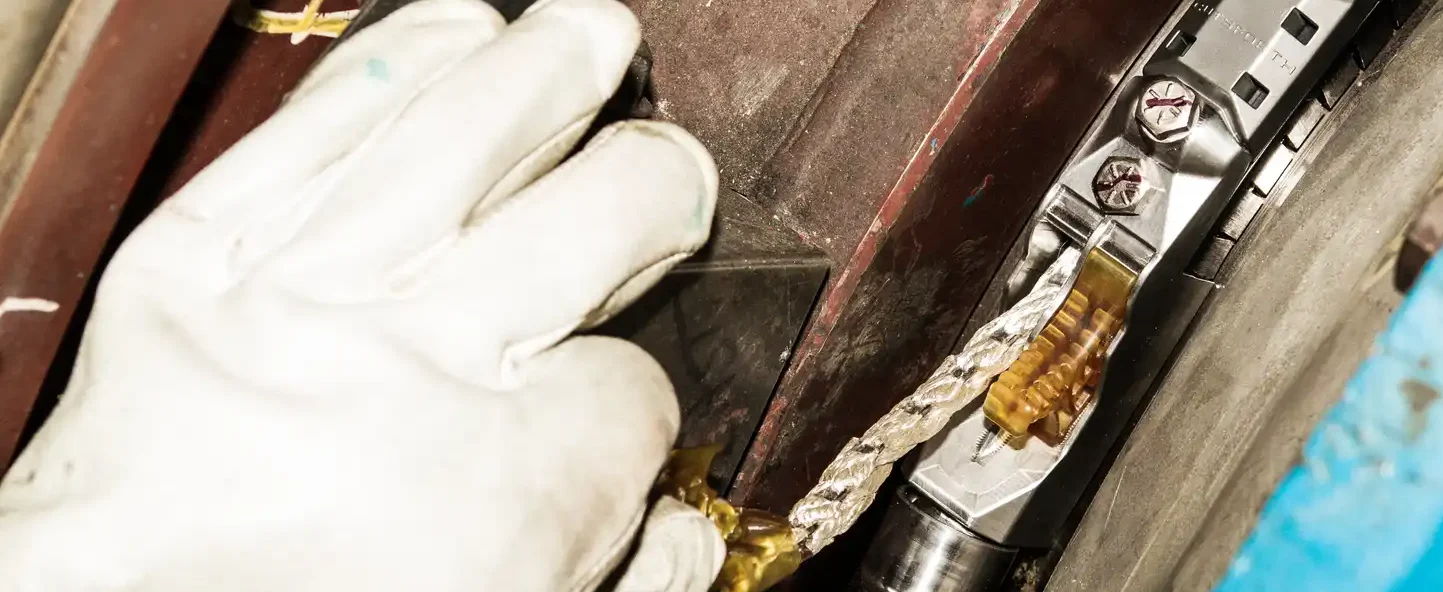
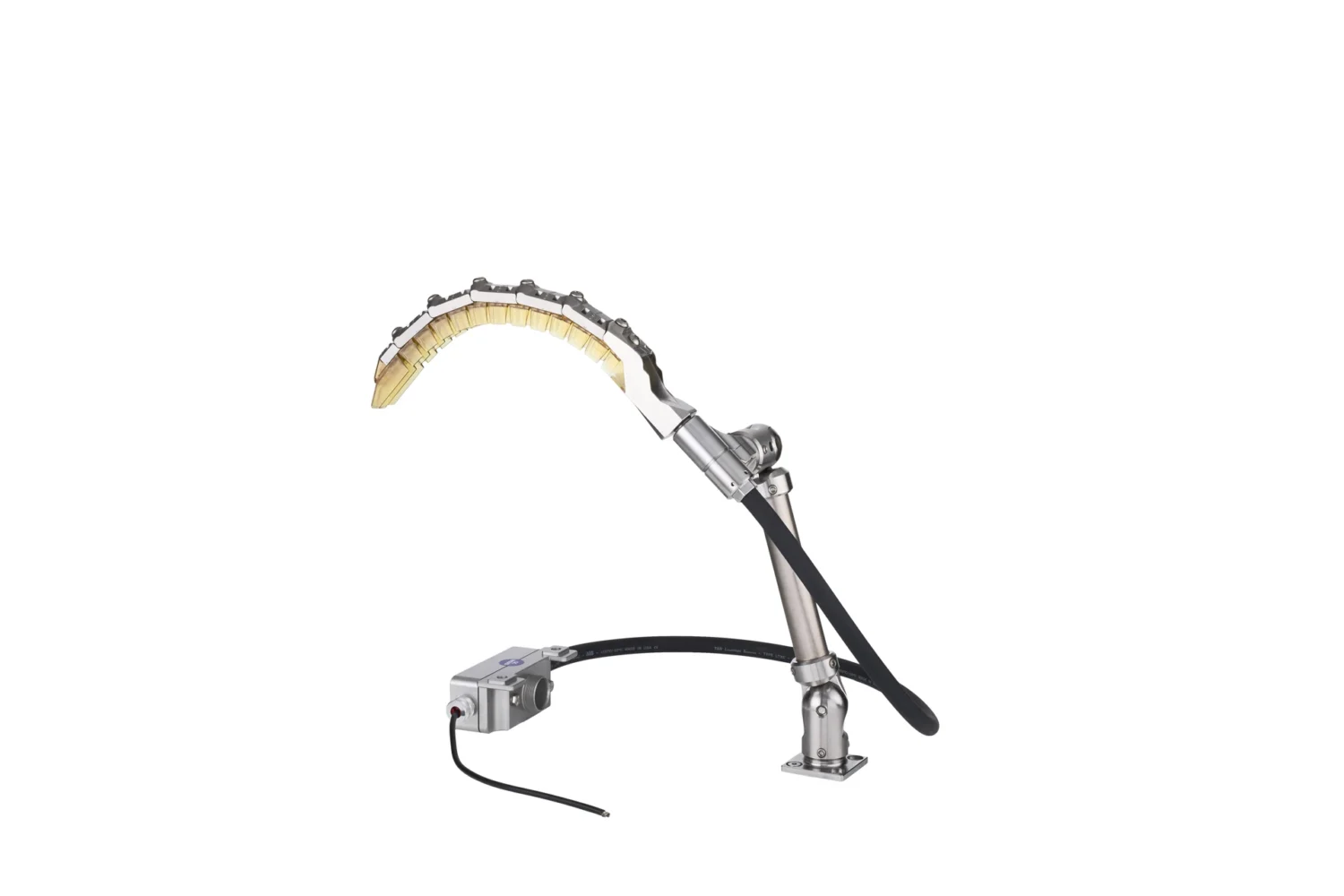
  • Shaft Grounding Hardware: Cutsforth’s patented shaft grounding assembly with dual ropes that can be replaced online without unnecessary downtime
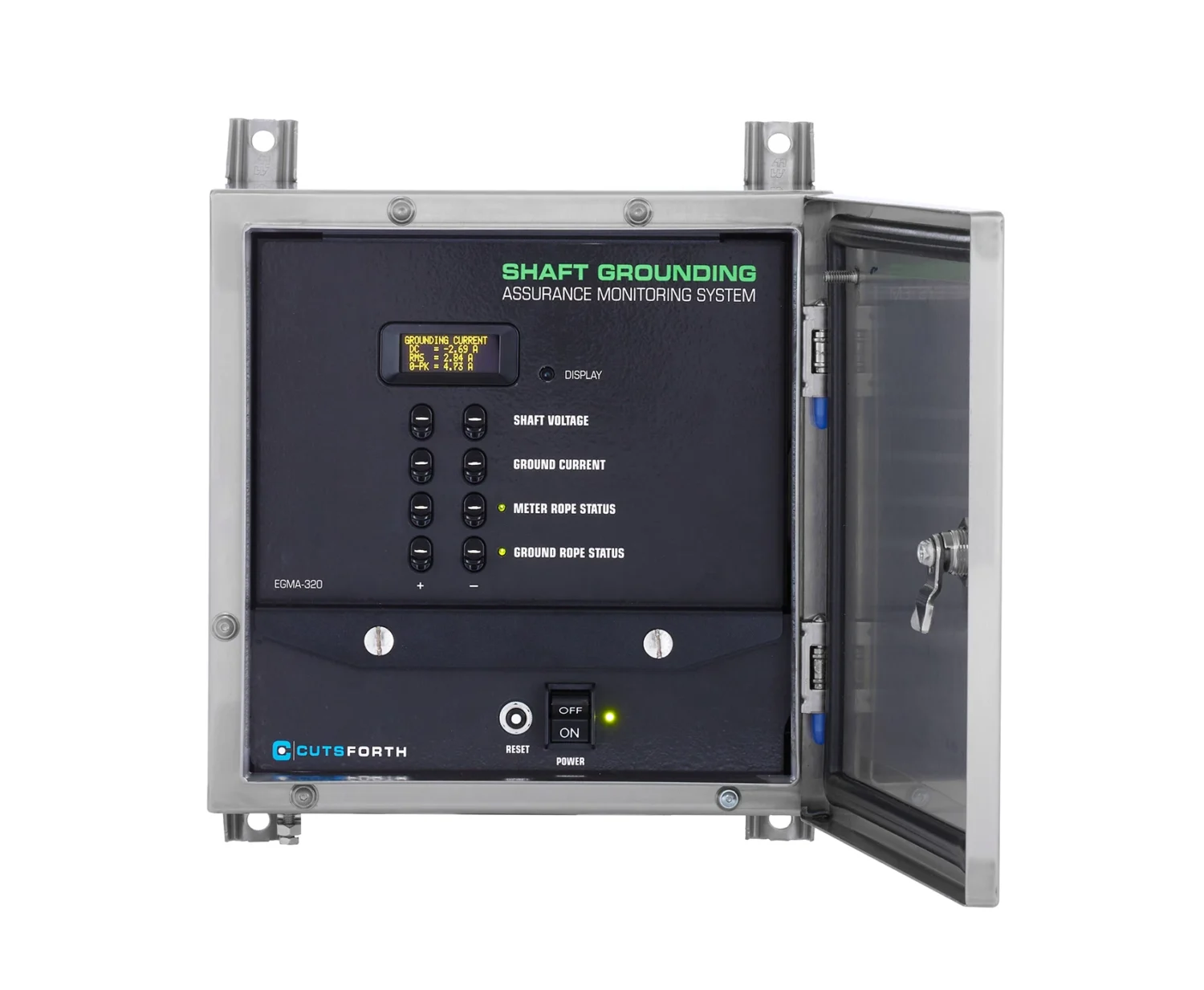
  • Local Panel Display: Quickly view current status and key data on a local display
  • Monitor with InsightCM™: Collect discreet measurements and full waveforms to alert you to problems on the shaft before they cause major damage

Available Monitoring Options

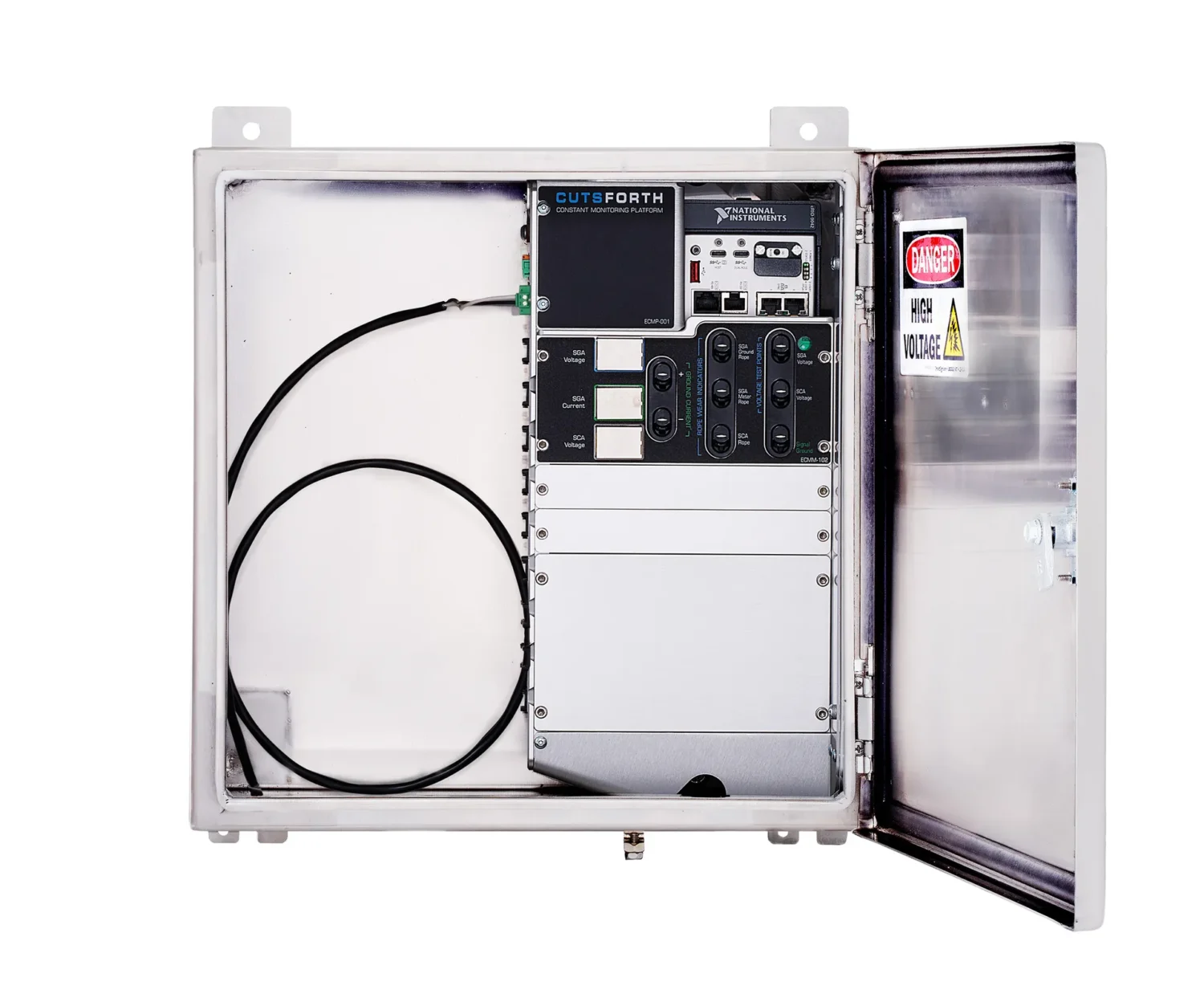
Assurance Monitoring System

  • Provides key shaft-grounding data through a local display near the generator
  • Includes connection points for handheld voltage and current measurements
  • Supports continuous monitoring through plant control systems or InsightCM

Premium Shaft Ground Monitoring

  • Captures full voltage and current waveforms for deeper shaft analysis
  • Continuously trends data with InsightCM to detect developing issues early
  • Alerts teams to emerging problems before they lead to major damage

Shaft Grounding FAQs

How long do Cutsforth grounding ropes last?

The life expectancy of the grounding ropes is approximately 12 months, but this depends greatly on the environmental factors present. The main contributors to decreased rope life are mechanical wear and electrical wear. Mechanical wear increases with increases in factors like shaft surface speed, shaft surface roughness, and contaminants present on the shaft. Electrical wear occurs mainly on the grounding rope, and less on the metering rope, as the grounding rope carries most of the electrical load. For this reason, we typically find the metering rope to last slightly longer than the grounding rope.


Is there enough contact on Cutsforth braided ropes to properly ground the shaft?

Yes, and as the braided ropes wear, the copper or silver ropes create hundreds of very small contact points to assist in the grounding process.


Where should the shaft ground wire be terminated?

The purpose of the Shaft Grounding System is to electrically bond the shaft to the unit case immediately adjacent to the shaft to provide a safe and desirable path for the flow of shaft current, and to prevent the flow of shaft current through destructive paths, such as through bearings. Cutsforth requires the shaft ground termination to be the lower half of the generator, turbine, or coupling case in the immediate vicinity of the Shaft Grounding Assembly. Examples of unacceptable grounding locations are structural steel, plant AC ground, or an existing grounding pad that requires an extended wire run to reach.


Can I change Cutsforth Shaft Grounding or metering ropes while the generator is online?

Yes, Cutsforth Shaft Grounding System is designed to allow safe and easy online rope changes.


What is the minimum shaft diameter on which the shaft grounding assembly can be installed?

The minimum shaft diameter on which the shaft grounding assembly can be installed is 5 inches.


What is the minimum width requirement at the shaft grounding location for the shaft grounding assembly?

Cutsforth Shaft Grounding Assembly features a narrow profile design which only requires 1.5 inches of shaft space.


What is the temperature rating of the Shaft Grounding Assembly?

The shaft grounding assembly is rated to 300°F (150°C). All voltage and current monitoring equipment is rated to 158°F (70°C).


Does Cutsforth Shaft Grounding work on large synchronous and induction motors?

Provided enough space is available on the shaft, the Cutsforth system will provide grounding.


What is a Shaft Grounding System

A shaft grounding system is a protective solution designed to safely divert unwanted electrical currents away from a rotating shaft to ground. In generators and large rotating equipment, induced voltages can build up on the shaft due to electromagnetic fields, insulation breakdown, or system imbalances. If left unmanaged, these currents discharge through bearings, causing electrical discharge machining effects that lead to pitting, fluting, lubrication degradation, and ultimately premature bearing failure.

A properly engineered shaft grounding system provides a low-impedance path to ground, preventing current from passing through sensitive bearing surfaces. This is typically achieved using conductive brushes or fiber-based grounding rings that maintain consistent contact with the shaft.

Cutsforth’s shaft grounding systems are designed specifically for high-reliability applications in power generation and industrial environments, combining robust mechanical design with optimized electrical performance to ensure long-term protection.

Benefits of Shaft Grounding Systems

Implementing a high-quality shaft grounding system provides critical protection and operational advantages:

  • Prevention of Bearing Damage. Eliminates electrical arcing across bearings, significantly reducing wear patterns such as fluting and pitting.
  • Extended Equipment Life. Protects bearings and associated components, reducing the frequency of replacements and extending asset lifespan.
  • Reduced Maintenance Costs. Minimizes costly repairs, unplanned outages, and labor associated with bearing failures.
  • Improved Equipment Reliability. Ensures consistent operation by mitigating one of the most common causes of generator and motor failure.
  • Protection Against Stray Currents. Effectively manages induced shaft voltages in both new and retrofitted equipment.
  • Compatibility with Modern Systems. Designed to operate alongside advanced monitoring solutions, enabling a more comprehensive predictive maintenance strategy.

Cutsforth customers benefit from improved uptime and reduced lifecycle costs when shaft grounding systems are integrated into their broader reliability programs.

Why Companies Choose Cutsforth for Shaft Grounding Systems

Cutsforth has built a reputation as a trusted provider of shaft grounding solutions through decades of hands-on experience with rotating equipment.

  • Proven Engineering Expertise. With over 30 years in generator and exciter maintenance, Cutsforth understands the root causes of shaft voltage issues and how to effectively mitigate them.
  • Optimized Brush and Holder Design. Cutsforth systems are engineered for consistent contact, minimal wear, and reliable performance in demanding environments.
  • Custom Retrofit Solutions. Our shaft grounding systems are designed to integrate seamlessly into existing equipment, minimizing installation complexity and downtime.
  • Integrated Reliability Approach. Cutsforth pairs shaft grounding solutions with condition monitoring platforms like InsightCM, enabling customers to both prevent and detect issues across their assets.
  • Global Industry Trust. Serving more than 1,200 customers worldwide, Cutsforth solutions are deployed across power generation and multiple industrial sectors.
  • Commitment to Innovation. Ongoing investment in R&D ensures our grounding technologies continue to evolve alongside modern equipment and monitoring requirements.

Shaft Grounding FAQs

How long do Cutsforth grounding ropes last?

The life expectancy of the grounding ropes is approximately 12 months, but this depends greatly on the environmental factors present. The main contributors to decreased rope life are mechanical wear and electrical wear. Mechanical wear increases with increases in factors like shaft surface speed, shaft surface roughness, and contaminants present on the shaft. Electrical wear occurs mainly on the grounding rope, and less on the metering rope, as the grounding rope carries most of the electrical load. For this reason, we typically find the metering rope to last slightly longer than the grounding rope.


Is there enough contact on Cutsforth braided ropes to properly ground the shaft?

Yes, and as the braided ropes wear, the copper or silver ropes create hundreds of very small contact points to assist in the grounding process.


Where should the shaft ground wire be terminated?

The purpose of the Shaft Grounding System is to electrically bond the shaft to the unit case immediately adjacent to the shaft to provide a safe and desirable path for the flow of shaft current, and to prevent the flow of shaft current through destructive paths, such as through bearings. Cutsforth requires the shaft ground termination to be the lower half of the generator, turbine, or coupling case in the immediate vicinity of the Shaft Grounding Assembly. Examples of unacceptable grounding locations are structural steel, plant AC ground, or an existing grounding pad that requires an extended wire run to reach.


Can I change Cutsforth Shaft Grounding or metering ropes while the generator is online?

Yes, Cutsforth Shaft Grounding System is designed to allow safe and easy online rope changes.


What is the minimum shaft diameter on which the shaft grounding assembly can be installed?

The minimum shaft diameter on which the shaft grounding assembly can be installed is 5 inches.


What is the minimum width requirement at the shaft grounding location for the shaft grounding assembly?

Cutsforth Shaft Grounding Assembly features a narrow profile design which only requires 1.5 inches of shaft space.


What is the temperature rating of the Shaft Grounding Assembly?

The shaft grounding assembly is rated to 300°F (150°C). All voltage and current monitoring equipment is rated to 158°F (70°C).


Does Cutsforth Shaft Grounding work on large synchronous and induction motors?

Provided enough space is available on the shaft, the Cutsforth system will provide grounding.